
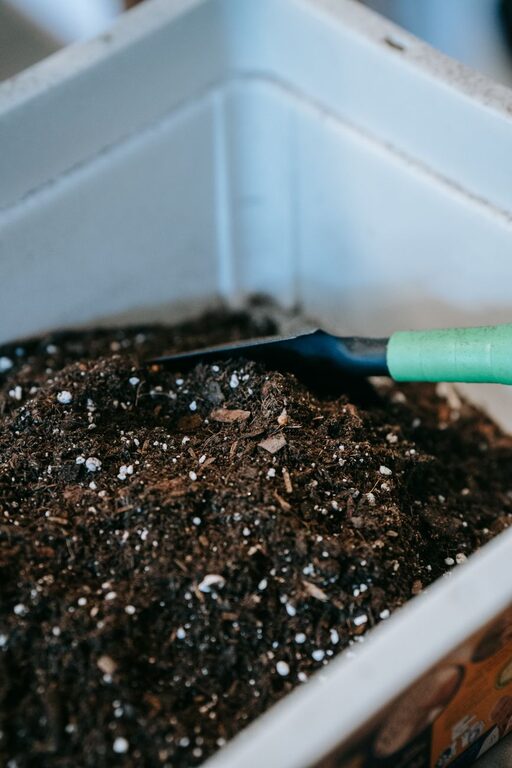
Composting at home is a rewarding and environmentally friendly way to reduce waste and enrich your garden soil. If you’ve never composted before, it might seem a bit confusing, but with a few simple tips, you can get started easily and successfully. This guide will walk you through everything you need to know to begin composting in your backyard or even on your balcony.
What is Composting?
Composting is the natural process of recycling organic material, such as food scraps and yard waste, into a dark, crumbly soil amendment called compost. This compost improves soil structure, provides nutrients for plants, and helps retain moisture.
Why Compost at Home?
– Reduces waste: Keeps food scraps and yard trimmings out of landfills.
– Improves garden health: Adds valuable nutrients and beneficial microbes to soil.
– Saves money: Reduces the need for chemical fertilizers.
– Supports sustainability: Minimizes your environmental footprint.
Getting Started: What You Need
Choosing a Compost Bin or Pile
You can compost in many ways, depending on your space and preferences:
– Compost bin: A container designed specifically for composting. Often made of plastic or wood, bins help keep the compost neat and retain heat.
– Compost pile: Simply heap your compostable materials in one spot if you have enough outdoor space.
– Tumbler: A rotating bin that makes turning and mixing the compost easier.
– Indoor composting: For small spaces or apartments, consider worm composting (vermicomposting) or a small countertop compost bin for kitchen scraps.
Location
Place your compost bin or pile in a convenient spot with some sunlight and good drainage. Avoid areas that stay waterlogged or are too shady.
What to Compost: The Basics
Compost requires a balance of ingredients, often referred to as “greens” and “browns.”
Greens (Nitrogen-rich materials)
– Fruit and vegetable scraps
– Coffee grounds and tea bags
– Fresh grass clippings
– Plant trimmings and green leaves
Browns (Carbon-rich materials)
– Dry leaves and straw
– Paper and cardboard (shredded)
– Sawdust (untreated wood)
– Eggshells (crushed)
What to Avoid
– Meat, dairy, and oily foods (attract pests)
– Diseased plants
– Pet waste
– Treated wood or chemically treated materials
How to Compost: Step-by-Step Guide
- **Layer your materials:** Start with a layer of coarse browns like twigs or straw at the bottom to help with airflow. Alternate layers of greens and browns.
- **Keep it moist:** Your compost should be about as damp as a wrung-out sponge. Add water if it’s too dry or add browns if it’s too wet.
- **Turn the pile regularly:** Every 1-2 weeks, use a garden fork or shovel to mix the compost. This introduces oxygen and speeds up decomposition.
- **Be patient:** Depending on conditions, composting can take from a few months to a year.
- **Harvest your compost:** When the material is dark brown, crumbly, and smells earthy, it's ready to use.
Tips for Successful Composting
– Chop materials into smaller pieces: Smaller pieces break down faster.
– Maintain balance: Too many greens can make compost slimy and smelly; too many browns can slow decomposition.
– Use a compost thermometer: If you want to monitor, ideal compost temperatures are between 110°F to 160°F.
– Cover your pile or bin: Keeps moisture in and pests out.
– Add finished compost to your garden: Mix it into soil or use as mulch.
Common Troubleshooting
– Bad smell: Usually caused by too many greens or poor aeration. Add browns and turn the pile.
– Pile not heating up: Might be too small, too dry, or lacking nitrogen. Add more greens and water.
– Pests around the compost: Avoid meat and dairy, and make sure bin is properly covered.
Composting Indoors or with Worms
If outdoor space is limited, vermicomposting is a great option. Using a worm bin and red wiggler worms, you can compost kitchen scraps indoors and produce rich worm castings for plants.
Conclusion
Starting a compost at home is easier than it looks once you understand the basics. By following these beginner tips, you’ll reduce waste, enrich your garden, and contribute to a healthier planet—one kitchen scrap at a time. Happy composting!