
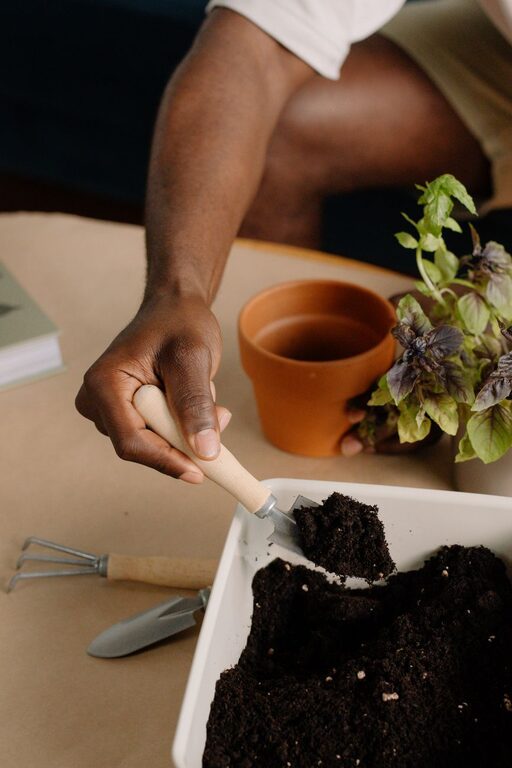
Growing your own herbs indoors is a wonderful way to bring fresh flavors into your kitchen, brighten up your living space, and enjoy gardening year-round—even without a backyard. Starting a small herb garden inside your home can be simple, affordable, and satisfying. This guide will walk you through everything you need to know to get your indoor herb garden up and growing.
Why Grow Herbs Indoors?
Indoor herb gardens offer fresh herbs at your fingertips, reduce trips to the grocery store, and add a touch of greenery to your indoor space. Herbs like basil, parsley, thyme, and mint are easy to grow inside and can thrive with the right care. Whether you have a sunny kitchen windowsill or a small corner that gets some natural light, you can cultivate a thriving mini garden.
Choosing the Right Herbs
Not all herbs are equally suited for indoor growth. Start with these beginner-friendly choices:
– Basil: Loves warmth and sunlight, perfect for cooking.
– Parsley: Tolerates moderate light and is easy to maintain.
– Chives: Requires less light, ideal for small spaces.
– Mint: Grows vigorously and prefers indirect sunlight.
– Thyme: Prefers bright light and well-drained soil.
– Cilantro: Likes cooler temperatures and good airflow.
Pick herbs that you enjoy cooking with and that match the lighting conditions in your home.
Selecting Containers
Herbs need containers with good drainage to prevent root rot. Here are some options:
– Terracotta pots: Porous and breathable, great for preventing overwatering.
– Plastic pots: Lightweight and retain moisture longer.
– Recycled containers: Such as mason jars or tin cans with holes drilled for drainage.
Make sure every pot has drainage holes or add a layer of small stones at the bottom for water flow.
Best Soil for Indoor Herbs
Use a high-quality potting mix labeled for indoor plants or herbs. Avoid heavy garden soil, which can hold too much moisture and cause root problems. A well-draining soil mix keeps roots healthy and promotes growth.
Finding the Perfect Spot
Most herbs need about 6 hours of sunlight per day. A south-facing window is ideal, but an east or west window can also work. If natural light is limited, consider using a full-spectrum grow light to supplement.
Place your pots where they’ll receive consistent light, away from drafts, heating vents, or cold windows.
Planting Your Herbs
You can start herbs indoors from seeds or buy young plants from a garden center.
Starting from seeds:
- Fill your container with moist potting mix.
- Place seeds according to package depth instructions.
- Cover lightly and keep soil moist.
- Use a clear plastic cover or plastic wrap to maintain humidity until seeds germinate.
- Remove cover once seedlings appear.
Transplanting seedlings:
– Gently loosen the roots before planting.
– Plant in soil at the same depth as in the nursery container.
– Water thoroughly after planting.
Watering Tips
Herbs prefer evenly moist soil but dislike soggy conditions.
– Water when the top inch of soil feels dry.
– Use room temperature water.
– Water at the base of the plant to keep leaves dry.
– Avoid overwatering, which can cause root rot.
Feeding and Maintenance
Feed your herbs every 4-6 weeks with a diluted, balanced liquid fertilizer to promote healthy growth. Deadhead flowers if your herbs start to bloom to encourage leaf production.
Trim your herbs regularly to keep them bushy and prevent legginess. Harvest leaves as needed for cooking or garnishing.
Common Challenges & Solutions
– Leggy plants: Often caused by lack of light. Move herbs to a brighter location or add grow lights.
– Yellow leaves: Could be overwatering or poor drainage. Check soil moisture and ensure pots drain well.
– Pests: Watch for aphids or spider mites. Wipe leaves with a damp cloth or use insecticidal soap if needed.
Enjoying Your Herb Garden
Using fresh herbs from your indoor garden is simple and rewarding. Add freshly chopped basil to pasta, sprinkle chives over eggs, or brew a refreshing mint tea. Growing indoors also allows you to teach kids about plant care and enjoy a little nature inside your home.
Final Tips
– Start small and expand your garden as you gain confidence.
– Experiment with new herbs to discover your favorites.
– Keep a gardening journal to track watering schedules and growth.
With a little patience and care, your indoor herb garden will flourish, providing fresh, aromatic herbs all year round. Happy gardening!
—
Growing herbs indoors is a great way to add life to your home and flavor to your meals. Follow these steps, and soon you’ll be enjoying your very own small herb garden right inside your kitchen!